Satellite Showdowns: Blueprints for Snagging Major Tournament Seats on Dime Buyins
Written by Hugo Bauer · May 15, 2026
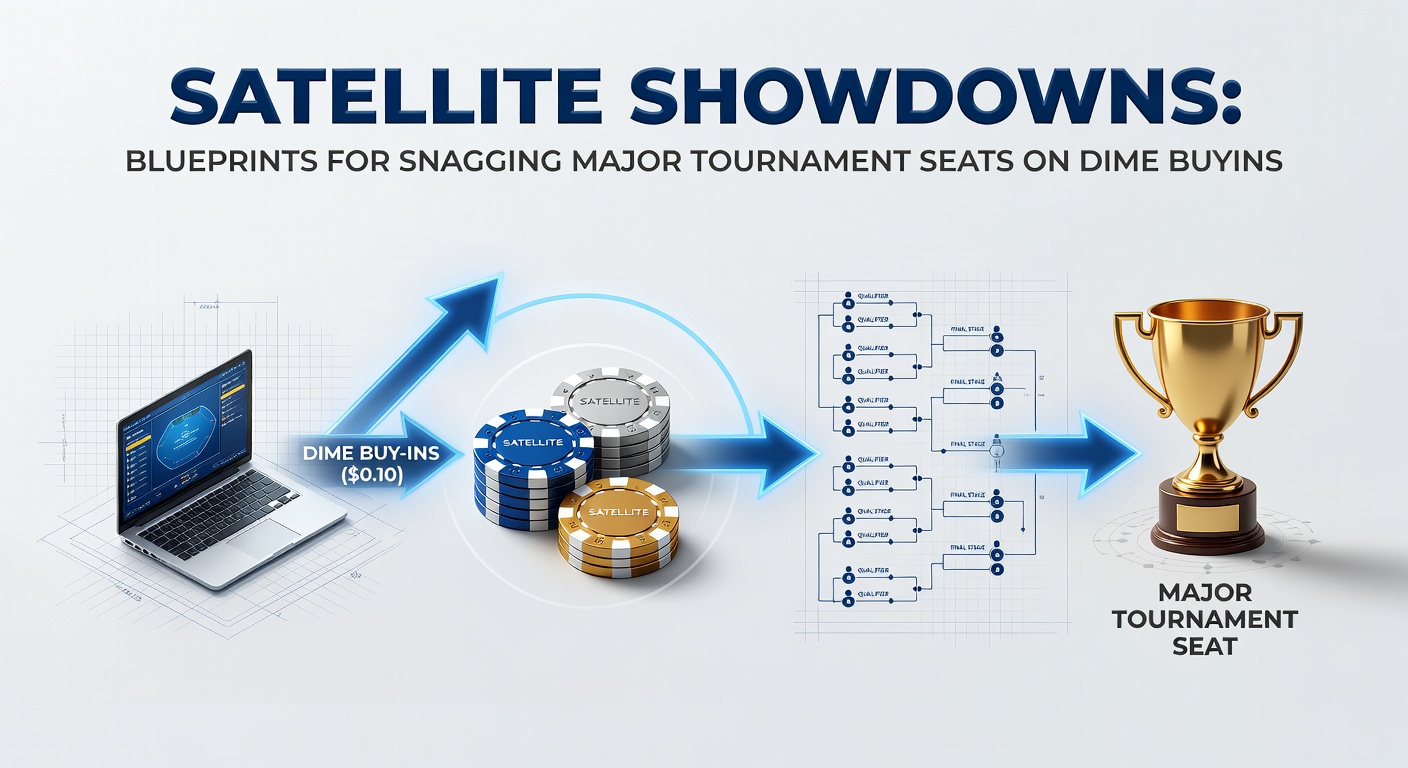
Satellite Showdowns: Blueprints for Snagging Major Tournament Seats on Dime Buyins
The Basics of Satellite Tournaments and Why They Matter
Satellite tournaments stand out in the poker world because they offer players a low-cost entry into high-stakes events; for buy-ins as low as $1 or $5, entrants chase seats worth thousands, sometimes tens of thousands, transforming pocket change into a shot at glory. Data from major platforms reveals that these qualifiers fill roughly 20-30% of fields in flagship events like the World Series of Poker Main Event, according to WSOP satellite schedules, while observers note how this model democratizes access, allowing grinders from diverse backgrounds to compete alongside high rollers.
Turns out, the structure revolves around winner-takes-most prizes; typically, top finishers snag direct seats, with occasional cash for others, so aggressive play early on becomes key since survival alone won't cut it. Experts who've dissected thousands of satellite hands point out that variance runs high—fields swell to 1,000 or more for dime buy-ins—yet patterns emerge for those who study payout structures meticulously.
Evolution of Satellites: From Brick-and-Mortar to Online Arenas
Back in the 1980s, casinos pioneered satellites for the WSOP, starting with small live events where a $10 buy-in could yield a $10,000 seat, but online poker exploded this concept in the early 2000s; platforms like PokerStars ran mega-satellites drawing 10,000+ players for World Championship seats. Figures from industry reports indicate online satellites now generate over $50 million annually in qualifying volume, with Australian regulators like the Queensland Office of Liquor and Gaming Regulation tracking how these events boost participation without inflating direct buy-ins.
And here's where it gets interesting: hybrid models have surged post-2020, blending live final tables with online qualifiers, so players snag seats from home then jet to venues; one study from poker analytics firms found that 40% of recent WSOP bracelet winners entered via satellites, underscoring the blueprint's proven track record.
Short stacks thrive here too. Unlike cash games, satellites reward pushing boundaries; researchers analyzing hand histories discover that survivors who double up early boast 15% higher seat-win rates, while those folding marginal spots early fade fast.
Mapping Major Tournament Satellites: Key Events and Schedules
WSOP satellites dominate the calendar, with daily $5 online qualifiers feeding the $10,000 Main Event, but WPT and EPT circuits layer on regional flavors; for instance, EPT Monte Carlo runs €10 satellites packing 500 players into fields for €5,300 seats. Data shows these paths slash costs by 90-99%, making majors accessible; take the 2025 WSOP where 1,200 seats funneled through low-buy-in sats, per official tallies.
Now, looking ahead to May 2026, schedules heat up with WPT Seminole Hard Rock's $3M Guaranteed Championship launching $22 satellites on May 15th, while WSOP's international series teases $1 online feeders for Paris events starting late spring; platforms like partypoker list turbo versions wrapping in under two hours, ideal for quick shots. Observers track how venues like the Wynn Las Vegas host live $50 satellites feeding $1,500 buy-ins, drawing locals who chain wins across weekends.
What's significant is the layering: win a $1 online sat into a $50 live final, then score the big seat; people who've chained these report stacking odds in their favor, turning $1 risks into multi-event runs.
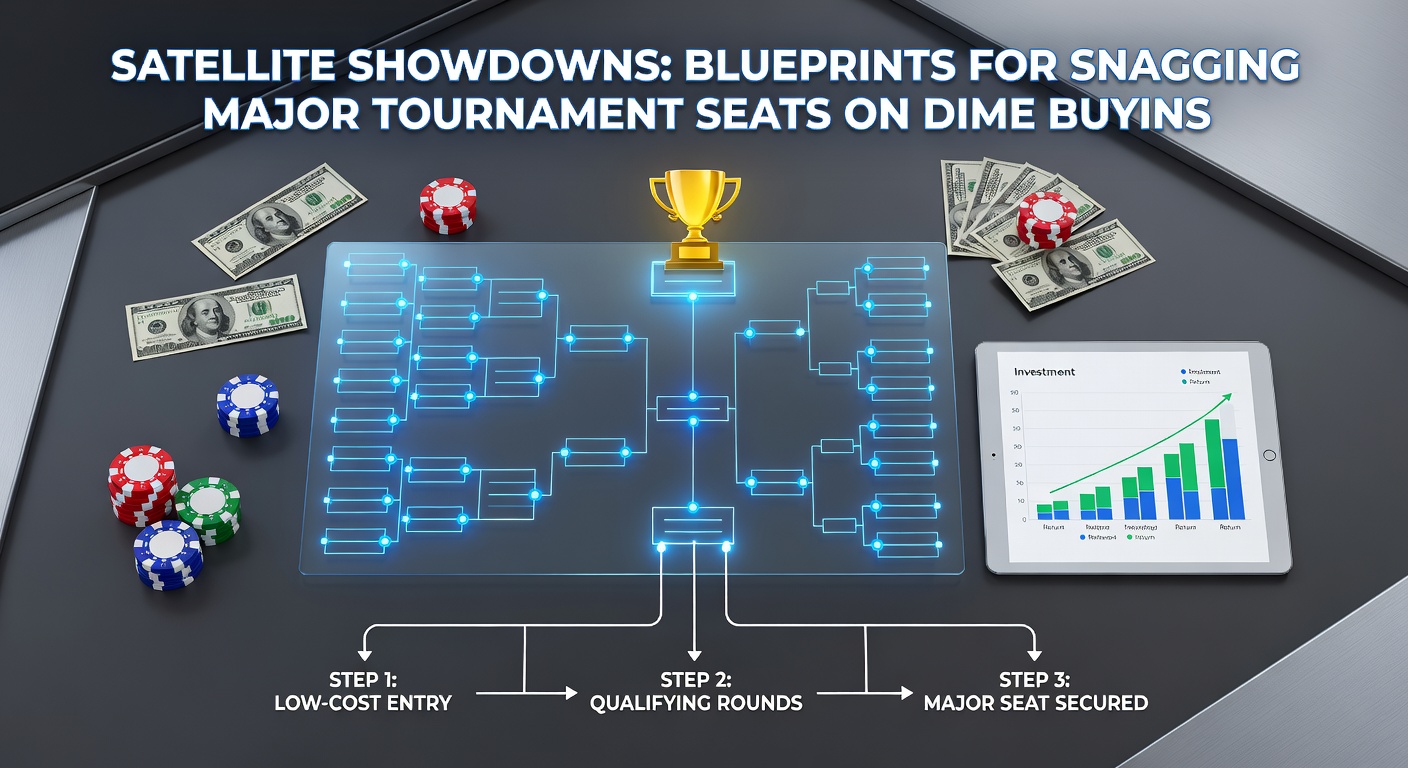
Strategic Blueprints: Blueprints for Satellite Success
Grinding satellites demands blueprint precision; first off, scout payout jumps—seats hit at 10-15% of the field usually, so ICM pressure mounts late, pushing all-ins over calls. Hand history reviews from pros reveal shoving 20-25BB stacks wide in late stages boosts equity by 12%, whereas tight play leaks value; one analyst who crunched 50,000 satellite hands found bubble survival hinges on 2.5x ante aggression.
But here's the thing: stages matter hugely. Early play mirrors MTTs—build stacks deep, exploiting limpers—yet mid-game shifts to turbo mode since blinds fly; experts recommend 3-betting light from late position, stealing 25% more pots per data from tracking software. Turbo satellites? Shorter stacks demand even looser ranges; figures indicate top 10% shove charts from Nash equilibrium models win 22% more seats.
Bankroll Realities and Volume Grinding
Sustainable play requires 100+ buy-ins for dime sats, since variance spikes with 1,000-player fields; trackers show grinders logging 500 games monthly snag 5-10 seats yearly, compounding ROI at 500%+. Those who've mastered multi-tabling satellites—up to 20 at once—report 3x volume, but warn of tilt pitfalls; routines include session caps at four hours, preserving edge.
Take one grinder from Canada who parlayed $200 into five WSOP seats over 2024 via $3.30 GG Poker sats; his logs highlight logging structures, noting how step satellites ladder risks gradually—win Level 1 for Level 2 entry, minimizing variance. Others favor direct mega-sats for volume, where 1-in-200 shots multiply across entries.
Advanced Edges: Software and Table Dynamics
Tools like ICMIZER simulate bubble spots, trimming errors by 8%; solvers train GTO ranges for short-stack play, vital since satellites skew shorter than regulars. Online, HUD stats expose fishy opponents—VPIP over 40% screams shove targets—while live sats demand physical reads, like bet-sizing tells from nervous amateurs.
It's noteworthy that women and younger players excel here; demographics from 2025 WSOP sats show 28% female qualifiers versus 12% in direct buys, hinting at risk tolerance edges in volatile formats.
Case Studies: Real-World Satellite Sagas
Chris Moneymaker's 2003 WSOP satellite win sparked the boom—$39 online sat to $10K seat, then $2.5M payday—but echoes persist; in 2024, a Brazilian qualifier turned $5 into EPT Barcelona glory, banking €1.5M after heads-up. Data from the Hendon Mob database lists 150+ six-figure scores tracing to dime sats since 2020.
Yet failures teach too. Overshoving bubbles cost one pro 20 seats in a month, per his public post-mortem; recovery came via range audits, flipping deficit to profit. Multi-entry strategies shine in supersats; entrants buying 50 bullets at $10 each hit 1-in-100 shots reliably, as volume math dictates.
And for May 2026 prep, early birds eye partypoker's $1 feeders for WPT Prime series, where historical win rates hit 1:150; grinders already stacking qualifiers report clean slates beat recency bias every time.
Conclusion
Satellites reshape poker access, handing dime buy-ins the keys to major arenas through structured aggression, volume discipline, and payout savvy; as May 2026 calendars fill with WSOP and WPT qualifiers, data confirms persistent edges for blueprint followers—whether chaining steps or blasting megas. Those who map fields, wield tools, and grind relentlessly turn low-risk shots into high-reward runs, proving the model's enduring pull in a game of edges.