Japanese Players Dominate Key Events at 2026 WSOP with Fujimoto Securing Limit Triple Draw Title
Written by Xander Frank · Jun 29, 2026

Japanese Players Dominate Key Events at 2026 WSOP with Fujimoto Securing Limit Triple Draw Title
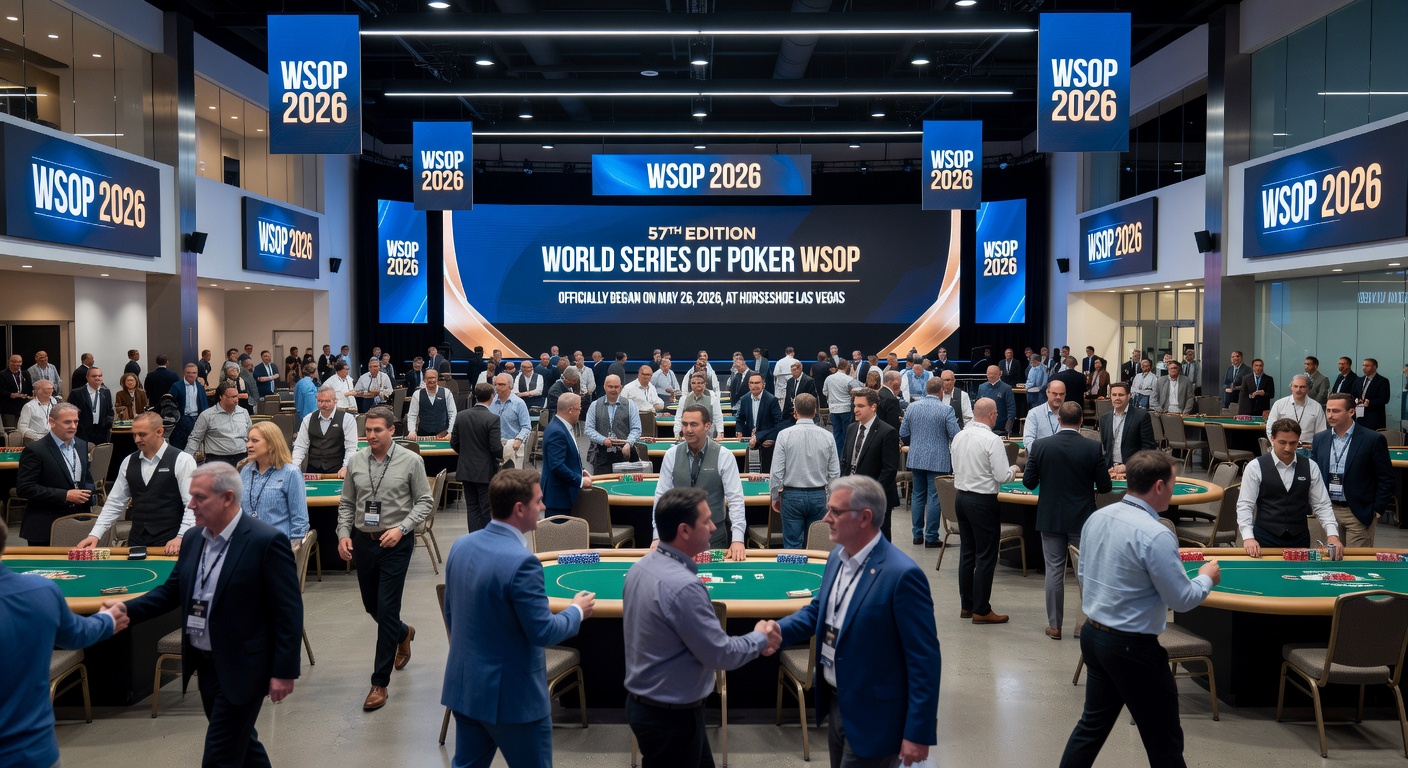
Japanese competitors have posted multiple victories during the 2026 World Series of Poker in Las Vegas, where Koji Fujimoto captured the $10,000 Limit 2-7 Triple Draw Championship after defeating Nick Schulman in heads-up play to earn his first WSOP bracelet, while Naoya Kihara collected back-to-back bracelets earlier in the series. Large delegations of Japanese players and support staff have gathered at the Horseshoe and Paris Las Vegas venues throughout June 2026, creating visible clusters around featured tables and side events.
Fujimoto Claims First Bracelet in Triple Draw Final
Koji Fujimoto navigated a competitive field in the Limit 2-7 Triple Draw Championship, reaching heads-up against established pro Nick Schulman and closing out the match for the title, which marked his initial WSOP gold bracelet. Observers note that Fujimoto's approach relied on disciplined drawing rounds and precise betting patterns that limited opponents' opportunities to improve their hands. The victory added to a series of strong showings by Japanese entrants across mixed-game and draw formats during the early weeks of the series.
Kihara Extends Streak with Consecutive Bracelet Wins
Naoya Kihara secured two bracelets in rapid succession earlier in the 2026 schedule, building on prior international results and demonstrating consistent performance across different tournament structures. Those who've tracked Japanese results at the WSOP point to Kihara's ability to maintain focus through extended day sessions as a contributing factor in both wins. His achievements coincide with increased participation numbers from Japan, where more players have qualified through online satellites and regional feeder events.
Community initiatives have accompanied these on-table results, with Fujimoto offering free teaching sessions to fellow Japanese players during downtime between events, and Masato Yokosawa coordinating promotional activities that highlight upcoming tournaments back in Japan. These efforts have drawn larger groups of players and coaches to Las Vegas, fostering informal strategy discussions and shared preparation routines that extend beyond individual tables.
Expanded Support Networks Fuel Participation Growth
Data from the current series shows elevated registration figures for Japanese players compared with previous years, with entire travel parties arriving together and maintaining coordinated schedules around major events. Researchers who monitor international poker trends have documented similar patterns where established winners return as mentors, encouraging newer participants to enter higher buy-in tournaments. The presence of coaches alongside active competitors creates an environment where real-time adjustments occur between rounds, while post-session reviews happen in nearby hotel spaces.
Back in Japan, the visibility of these WSOP results has prompted local organizers to schedule additional cash games and small-stake tournaments, drawing in players who previously followed the series only through online streams. Evidence suggests that direct exposure to bracelet winners accelerates interest, as community members reference specific hands and final-table decisions when discussing strategy in home-country card rooms.
Broader Effects on Japanese Poker Infrastructure
Industry reports indicate rising membership at Japanese poker clubs and online platforms since the start of the 2026 series, with several venues reporting waitlists for popular draw-game nights. According to coverage on PokerNews, the combination of on-site coaching and public promotions by figures such as Yokosawa has translated into measurable upticks in domestic play volume. Tournament directors in Japan have responded by adjusting prize structures to mirror formats that proved successful in Las Vegas, including more frequent Limit Triple Draw events.
Those monitoring travel patterns note that Japanese delegations often include both established pros and recreational players traveling together, which spreads knowledge across skill levels during the multi-week series. This group dynamic has produced additional deep runs in side events, further reinforcing the cycle of results and renewed interest back home.
Conclusion
The 2026 WSOP has featured sustained Japanese success through individual bracelet wins by Fujimoto and Kihara alongside organized community support that extends from Las Vegas back to Japan. These developments have coincided with expanded local infrastructure and higher participation rates, establishing a clear connection between international results and domestic growth during the month of June. Continued presence of Japanese players and support networks at the series suggests the trend may persist through remaining events.