How Cultural Holiday Calendars Drive Participation Patterns Across Global Digital Poker Networks
Written by Jordan Bennett · Aug 19, 2026
How Cultural Holiday Calendars Drive Participation Patterns Across Global Digital Poker Networks
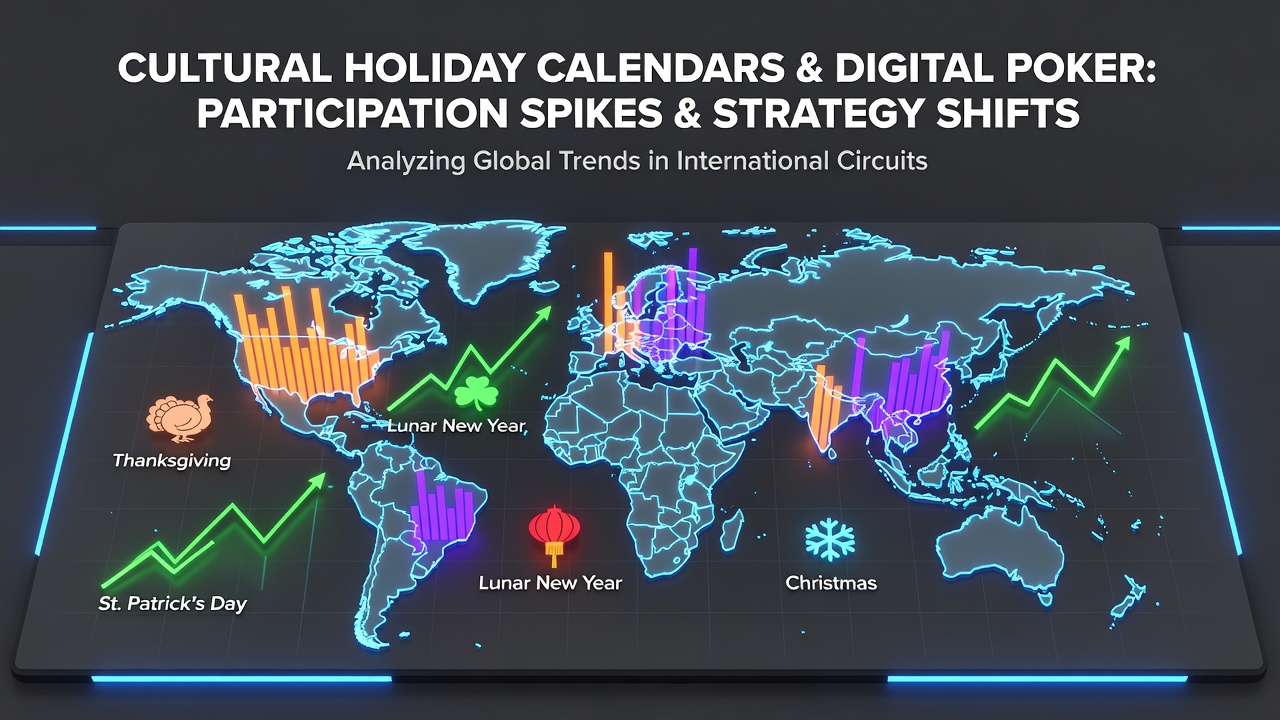
Digital poker platforms register measurable shifts in player volume whenever major cultural holidays align with extended time off from work and daily routines, and data from multiple regions shows these calendar events create predictable spikes in tournament entries and cash game tables. Observers tracking participation metrics note that Western holidays such as Christmas and New Year produce sustained increases in European and North American traffic, while Asian festivals including Chinese New Year and Diwali generate parallel surges across platforms serving those markets.
Western Holiday Cycles and Traffic Volume
Christmas and the surrounding weeks trigger consistent rises in recreational player registrations, with many sites reporting 25 to 40 percent higher concurrent users compared to non-holiday baselines according to aggregated platform analytics shared in industry reports. Those same periods also see adjustments in tournament scheduling, as operators add extra low-stakes events to accommodate the influx of less experienced participants who enter during family gatherings and vacation time. Thanksgiving follows a similar pattern in the United States and Canada, where Thursday and Friday sessions often fill faster than mid-week averages.
Asian and Middle Eastern Festival Impacts
Chinese New Year creates one of the largest single-event spikes observed on international networks, particularly on sites popular in China, Singapore, and Malaysia, where player counts can double for several consecutive days. Diwali produces comparable effects across Indian and diaspora communities, with increased activity concentrated in evening hours that align with family celebrations. Ramadan generates distinct patterns in Muslim-majority regions, where daytime participation drops but nighttime tables fill rapidly after sunset, prompting operators to shift high-value tournament start times accordingly.
Strategy Adjustments During Peak Periods
Players and analysts tracking pool composition report that holiday influxes bring higher proportions of recreational entrants, which alters table dynamics and forces adjustments in betting frequencies and bluff frequencies among regulars. Data indicates that multi-table tournament participants often reduce their average table count during these windows to maintain focus against less predictable opponents, while cash game specialists shift toward lower stakes to exploit wider skill gaps. These changes appear consistently across tracked sessions from multiple years of platform data.
Regional Regulatory and Platform Responses
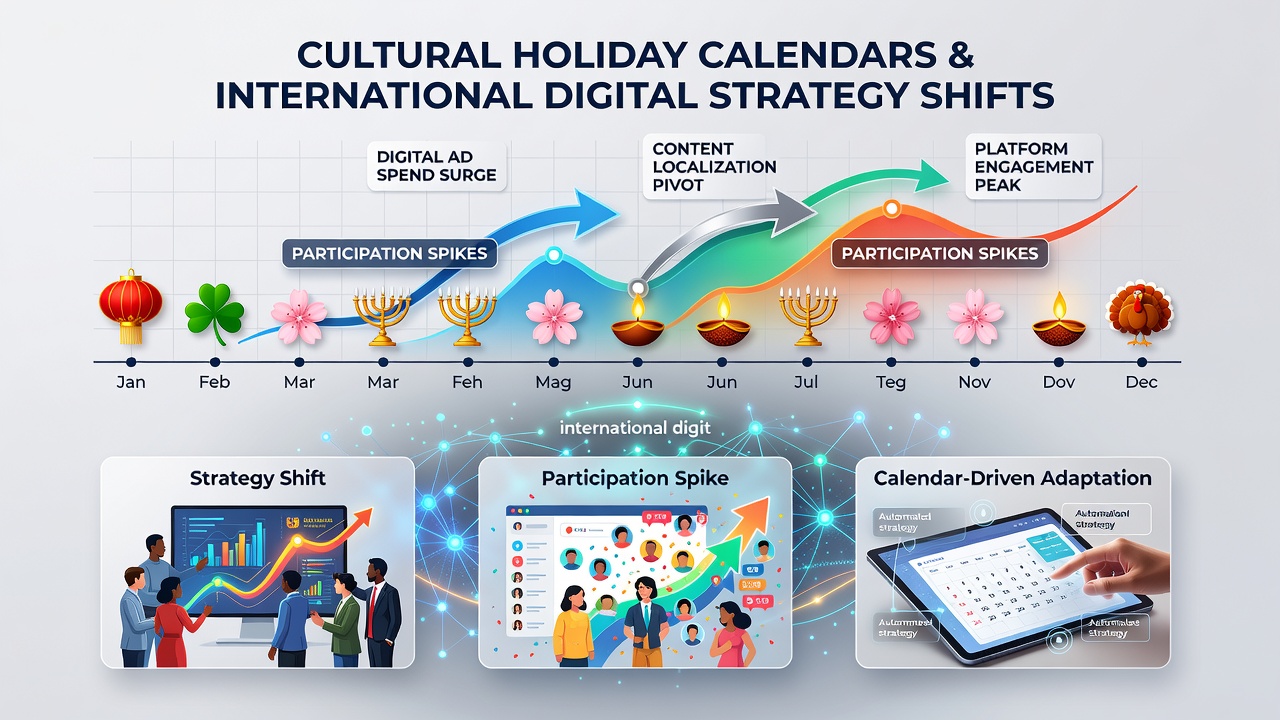
Operators respond to these calendar-driven patterns by modifying bonus structures and satellite schedules to capture increased deposits, and figures from regional gaming associations show elevated promotional spending during December and late January windows. In August 2026, summer vacation periods in both hemispheres produced noticeable upticks in afternoon and evening sessions on European and Australian networks, with platforms adding additional mid-stakes events to match demand. Australian regulatory reports highlight similar seasonal alignments during national holidays, where participation curves mirror those observed in other jurisdictions.
Those monitoring long-term trends note that overlapping holidays across different cultures create compound effects on global networks, such as when Western Christmas coincides with local festivals in other time zones. This overlap leads to extended periods of elevated traffic that require coordinated server scaling and customer support adjustments across time zones.
Data Patterns and Market Observations
Research compiled by academic groups studying online gaming behavior confirms that holiday calendars correlate strongly with deposit timing and session length increases, particularly among players in regions with statutory paid leave during major festivals. Platforms serving multiple continents adjust their marketing calendars months in advance to align with these predictable windows, and internal metrics reveal that retention rates during holiday periods often exceed non-holiday averages when promotional timing matches cultural expectations.
One study tracking international tournament series found that entry numbers for events scheduled immediately after major holidays consistently outperformed mid-month equivalents, suggesting players use post-holiday downtime to extend recreational engagement. These patterns hold across multiple platforms and years of recorded data.
Conclusion
Cultural holiday calendars continue to shape both volume and behavioral patterns within international digital poker circuits through predictable participation spikes and resulting strategy modifications by active players. Platform operators and participants alike track these calendar events to optimize scheduling, promotional timing, and table selection approaches, while regional data sources document the measurable effects across different cultural contexts. The alignment between time off and poker activity remains a consistent feature of the global online ecosystem.