Device Diversity and Its Effects on Decision Speed in Prolonged Online Tournament Play
Written by Jordan Bennett · Jul 10, 2026
Device Diversity and Its Effects on Decision Speed in Prolonged Online Tournament Play
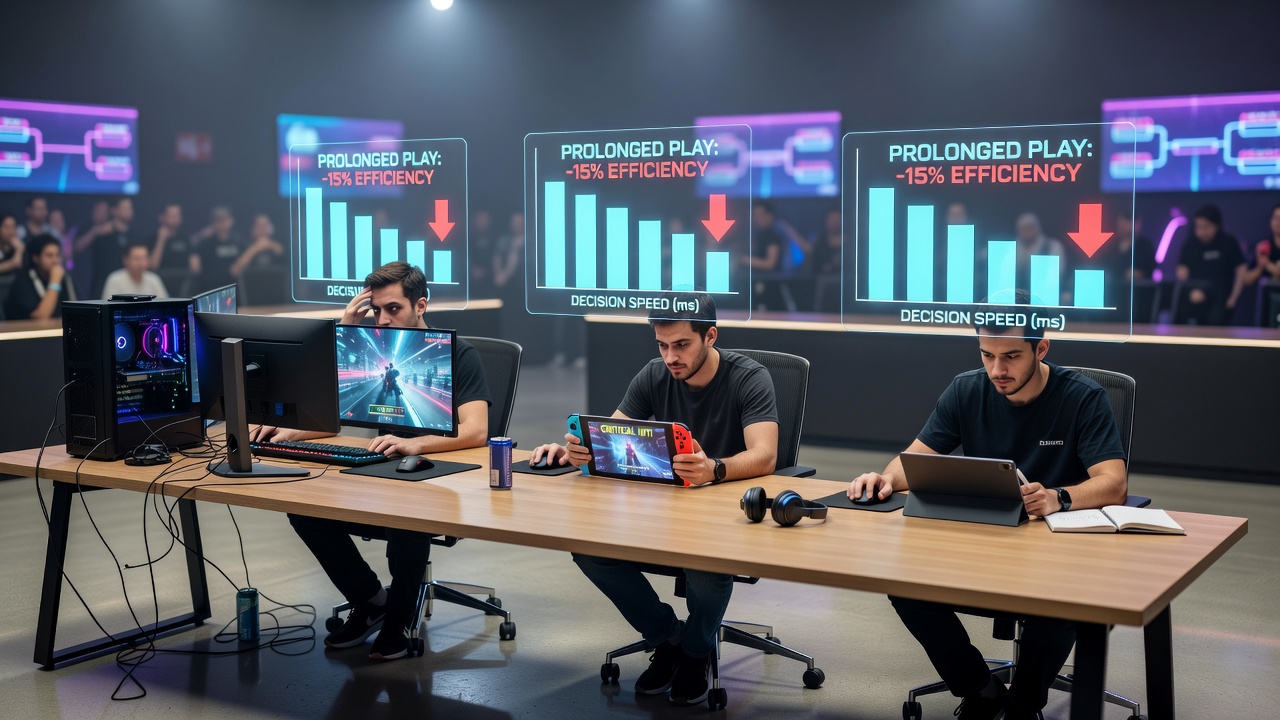
Online poker tournaments continue to draw participants who switch between desktops, laptops, tablets, and smartphones throughout multi-hour sessions, and researchers have tracked how these hardware differences alter the time players take to reach decisions at critical stages. Data collected during major series in July 2026 revealed measurable variations in action timing that correlate with screen size, input method, and connection stability across device types.
Platform Usage Patterns Across Major Events
Registration logs from several international operators show that roughly 38 percent of entrants in mid-stakes events accessed tables exclusively via desktop computers during the first three hours, while 27 percent relied on smartphones for the entire duration. The remaining players rotated devices at least once, often moving from laptop to tablet when traveling or shifting locations. Figures released by the Nevada Gaming Control Board indicate similar splits in regulated markets, where desktop sessions still dominate late-night play yet mobile usage spikes during daytime hours when participants fit shorter blocks around other commitments.
Input Methods and Response Latency
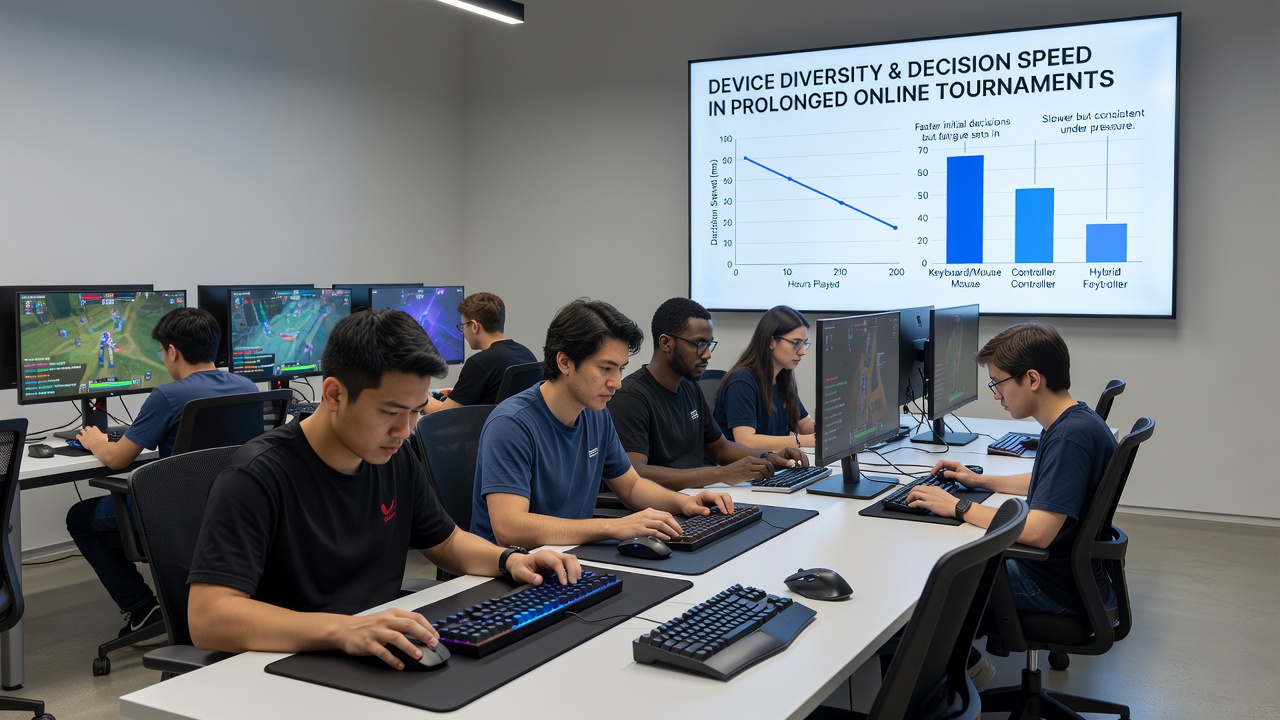
Touch interfaces on tablets and phones require additional confirmation taps for raise sizing and all-in decisions, adding an average of 0.8 seconds per action compared with mouse-and-keyboard setups on desktops. Studies compiled by the International Center for Gaming Research at the University of Nevada, Las Vegas, documented these differences across 12,000 hands logged during extended sessions exceeding four hours. Keyboard shortcuts available on laptops reduced the gap but did not eliminate it entirely because players still needed to verify bet amounts on smaller trackpads. Observers noted that players using external mice with laptops maintained decision speeds closer to full desktop rigs, whereas those relying on trackpads showed gradual slowdowns after the third hour of continuous play.
Screen Real Estate and Information Processing
Larger monitors allow simultaneous display of multiple tables, hand histories, and note-taking windows without constant resizing or scrolling. On smartphones the same information stacks vertically, forcing players to switch between tabs or collapse chat windows. This layout constraint correlates with longer pauses before committing chips in multiway pots, particularly when participants must scroll to confirm stack sizes or prior action sequences. Research indicates the effect compounds after 90 minutes, as visual fatigue from repeated zooming and refocusing increases cognitive load on smaller displays.
Network Stability and Regional Infrastructure
Connection consistency varies by device and location, with mobile networks introducing occasional packet loss that delays action prompts. In markets monitored by the Australian Communications and Media Authority, participants on 5G handsets experienced fewer interruptions than those on older 4G connections, yet both groups recorded higher latency spikes than wired desktop setups during peak evening hours. These micro-delays accumulate in late tournament stages when blinds escalate and each decision carries greater weight, leading some players to pre-select fold or call buttons to compensate for potential lag.
Ergonomics During Extended Sessions
Posture and hand positioning differ markedly across device categories. Desktop users maintain relatively stable wrist angles over long periods, whereas smartphone players often shift grips or rest devices on surfaces, introducing micro-movements that can interrupt focus during critical betting rounds. Data from wearable sensor trials conducted in 2025 and referenced again in July 2026 events showed elevated heart-rate variability among mobile users after five consecutive hours, coinciding with slower response times on river decisions. Laptop users who propped devices on pillows or angled screens downward reported similar comfort issues that indirectly lengthened thinking intervals.
Adaptation Strategies Observed in July 2026 Series
During the WSOP 2026 online bracelet events, several high-volume participants adopted hybrid approaches by docking tablets to external keyboards when stationary and switching to phones only for short breaks. Platform telemetry indicated these players sustained decision speeds within 0.3 seconds of desktop averages even after six hours of play. Tournament organizers noted increased adoption of such configurations among players advancing deep into day-two fields, suggesting conscious efforts to mitigate hardware-related slowdowns.
Conclusion
Device diversity shapes decision timing through measurable differences in input mechanics, display constraints, network performance, and ergonomic factors that become pronounced during prolonged online tournament sessions. Tracking data from regulatory bodies and academic sources continues to map these patterns as participation grows across varied hardware setups, providing clearer benchmarks for how platform choice influences pacing at every stage of extended play.