Charting Wearable Sensor Integration for Real-Time Stress Monitoring During Digital Tournament Play
Written by Jordan Bennett · Jun 3, 2026
Charting Wearable Sensor Integration for Real-Time Stress Monitoring During Digital Tournament Play
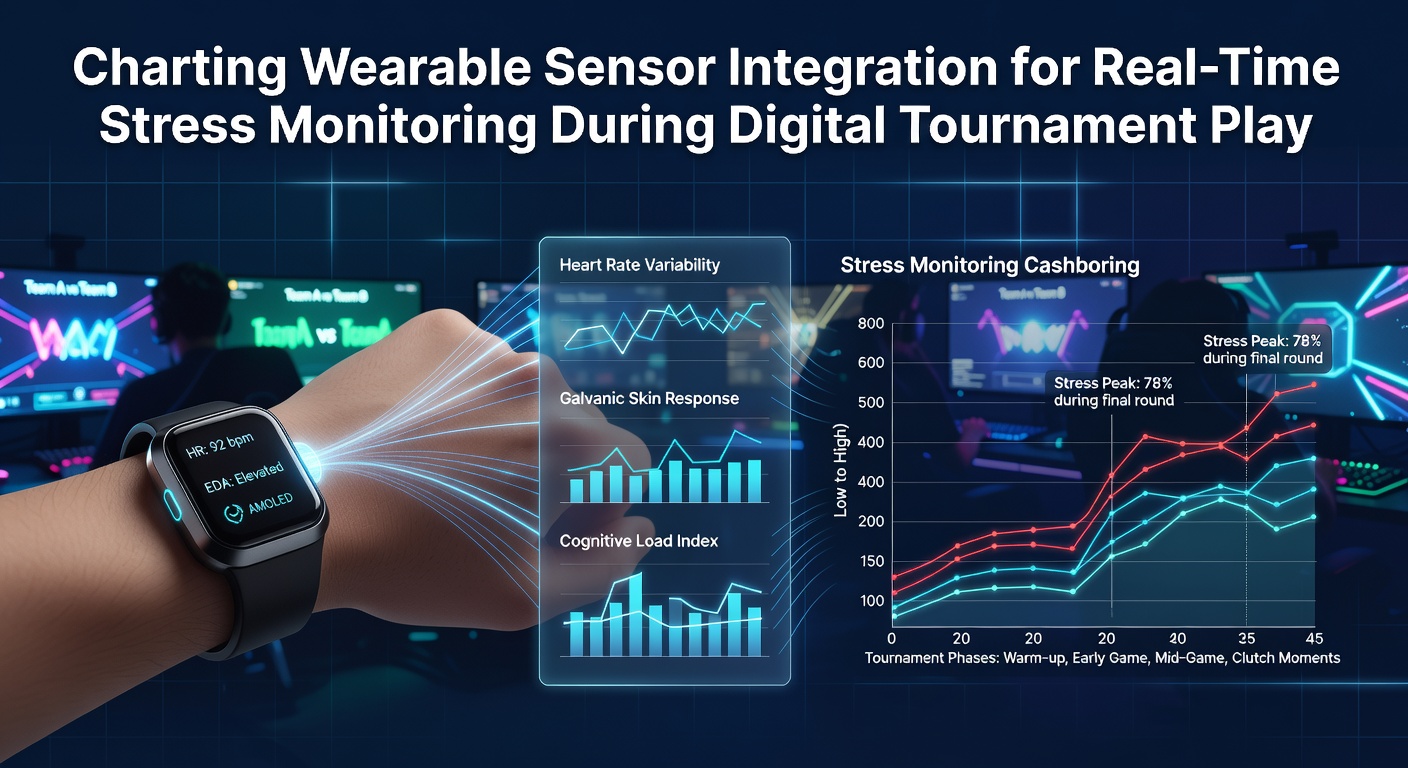
Digital tournament environments continue to expand as platforms incorporate advanced monitoring tools that track physiological responses during competitive sessions, and wearable sensors represent one such development that connects directly to stress indicators like heart rate variability along with electrodermal activity.
Core Sensor Technologies and Their Functions
Devices equipped with photoplethysmography sensors measure blood flow changes under the skin while galvanic skin response units detect subtle shifts in sweat gland activity, both of which correlate with elevated stress levels during high-stakes decision sequences in online card rooms or esports arenas. Accelerometers and gyroscopes add motion data that helps distinguish physical tension from baseline movement patterns, creating layered datasets that software algorithms process in real time. These components work together because tournament participants often exhibit rapid physiological changes when facing timed choices or multiway pots, and the sensors capture those shifts without interrupting gameplay flow.
Platform Integration Methods
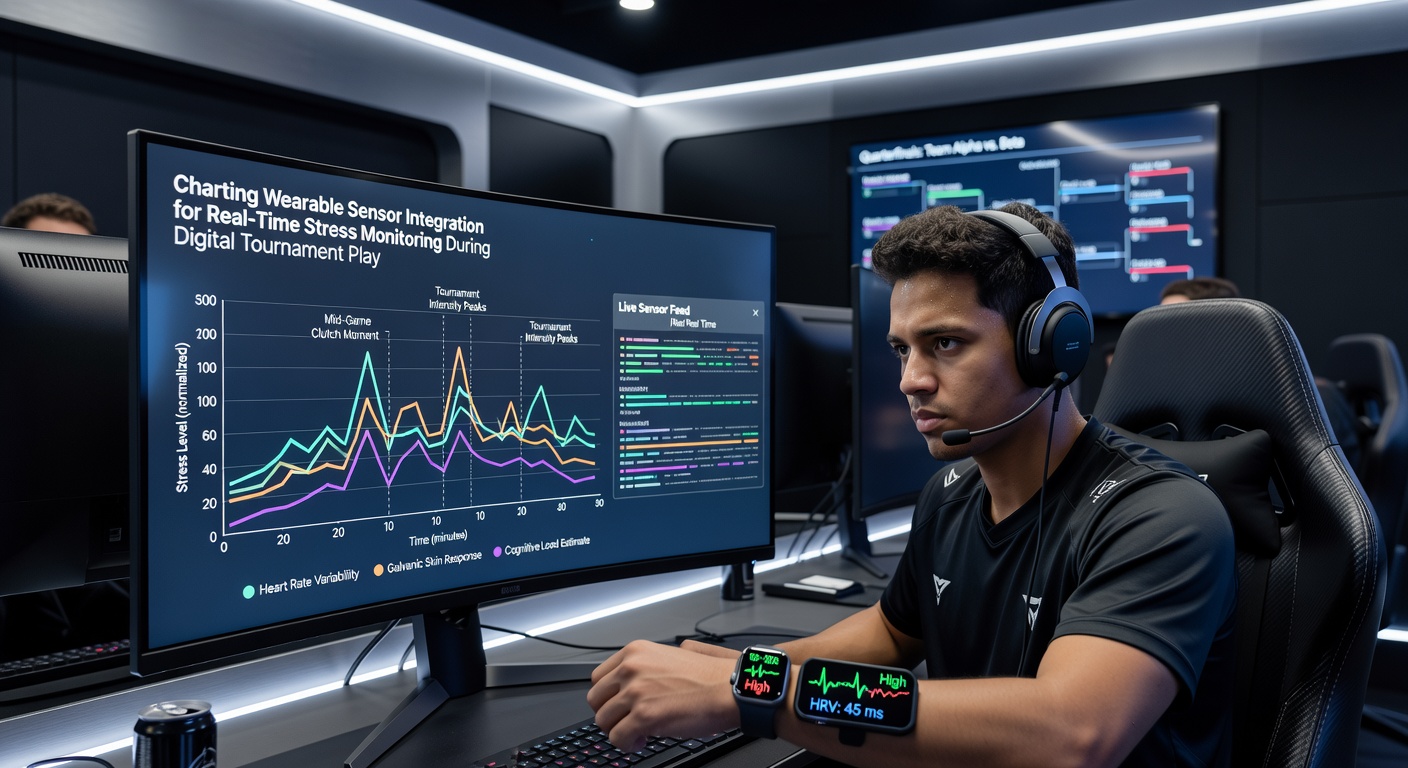
Software developers link wearable outputs to tournament interfaces through application programming interfaces that stream data into dashboards visible only to designated observers or the players themselves, and this setup allows adjustments such as break prompts when stress thresholds are crossed. In June 2026 several major digital platforms rolled out beta versions of these systems that sync with popular fitness bands and specialized gaming headsets, enabling seamless data exchange across mobile and desktop formats. Cloud-based processing handles the heavy computation while edge devices on the wearables perform initial filtering to reduce latency during live events.
Data Collection and Analysis Patterns
Studies from academic institutions such as those documented through National Institutes of Health repositories show that heart rate spikes above 20 percent of resting baseline frequently precede suboptimal play choices in extended sessions, while skin conductance rises align with bluff attempts or all-in confrontations. Algorithms apply machine learning models trained on aggregated tournament data to flag these moments, and the resulting reports help coaches or analysts review performance trends across hundreds of hands. Privacy frameworks require explicit consent for data sharing, and anonymized aggregates feed into broader research on competitive psychology without exposing individual identities.
Regulatory and Ethical Considerations
Health authorities in regions including the European Union and Australia have issued guidelines on biometric data use in entertainment software, requiring clear disclosures about storage durations and third-party access, while the Therapeutic Goods Administration in Australia reviews certain sensor claims for accuracy standards before market release. Tournament organizers must balance performance insights against potential misuse of stress profiles, and many implement tiered access controls so that only aggregated insights reach sponsors or operators. These measures emerged after early pilot programs revealed gaps in consent processes that could expose participants to targeted marketing based on inferred emotional states.
Observed Applications in 2026 Events
During spring qualifiers leading into June 2026 championship series, several online series tested sensor feeds that alerted moderators to collective stress surges across player pools, allowing schedule tweaks such as extended intervals between rounds. Individual competitors received private summaries post-session that highlighted recovery needs, and some platforms paired the data with optional breathing exercises delivered through the same app. Observers note that these features gained traction in regions with established digital health regulations, where players already trust wearable ecosystems for daily activity tracking.
Technical Challenges and Refinements
Signal noise from ambient lighting or device movement can distort readings, prompting engineers to refine filtering techniques that isolate tournament-specific stressors from everyday variables. Battery life remains a constraint during marathon events that stretch past eight hours, leading manufacturers to introduce modular charging solutions that maintain continuous monitoring. Calibration protocols now account for individual baselines collected over multiple sessions, which improves detection precision compared with population averages used in earlier versions.
Conclusion
Wearable sensor integration for stress monitoring in digital tournaments continues to evolve through combined advances in hardware, software connectivity, and regulatory oversight, delivering datasets that inform both immediate adjustments and longer-term training approaches. As adoption grows into the second half of 2026, the focus remains on maintaining data security while expanding analytical capabilities across diverse competitive formats.